
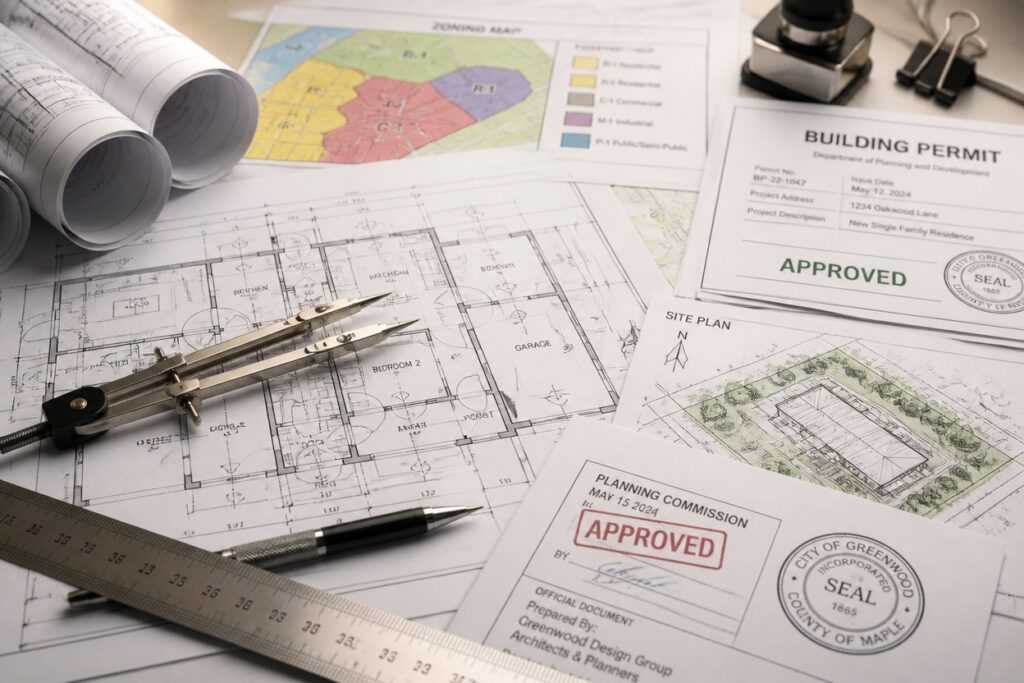
Building permits might not be the most exciting part of a renovation, but they matter more than most homeowners realize. These approvals exist to keep your project safe, legal, and up to code.
Most structural work needs a green light before you start. Think new walls, electrical panels, plumbing lines, and heating or cooling systems.
Even something as straightforward as a new roof or backyard deck usually requires paperwork.
The tricky part? Every city and county plays by its own rules. What flies in one neighborhood might need approval in another. A quick call to your local building department can save you from headaches down the road.
Skipping permits can lead to fines, failed inspections, or problems when you sell.
A little research now keeps your project running smoothly and your home protected.
Quick Permit Check: Does Your Project Need Approval?
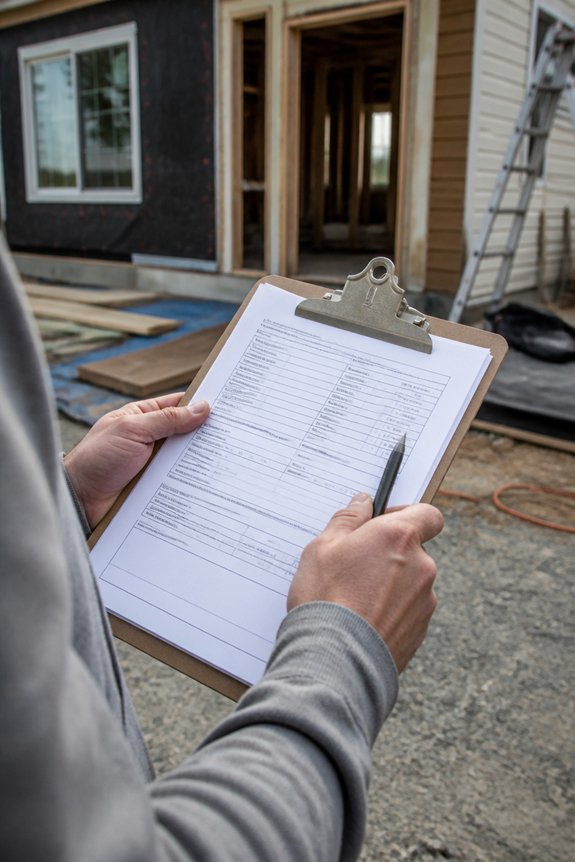
Quick Permit Check: Does Your Project Need Approval?
Know Before You Build
Most structural work needs a permit before you start. This includes additions, renovations, and new construction. Electrical, plumbing, HVAC, and foundation work typically require approval too.
Roof replacements and deck builds usually need permits. Interior walls often do as well. Rules can surprise you, so it helps to check early.
Quick Exemptions
Small tasks usually skip the permit process. Painting, swapping out fixtures, and simple repairs fall into this category. Always confirm with your local office first.
Why It Matters
Building codes exist to keep everyone safe. Permits ensure your work meets those standards. Your future self will thank you when it’s time to sell.
Next Steps
Regulations vary by city and county. Contact your local building department before breaking ground. A five-minute call now beats a costly fix later.
Building Permits for Structural Changes and Foundation Work
Why These Projects Need Extra Attention****
Structural changes and foundation work face strict regulations. Nearly every jurisdiction requires permits for these projects. You will need approval for removing load-bearing walls, adding rooms, reinforcing foundations, or installing major support beams.
What Inspectors Look For****
Inspectors check that your modifications protect building safety and structural integrity. Foundation repairs, underpinning, and basement excavation all need permits. Professional engineering assessments are typically required too.
Submitting Your Plans
Homeowners must provide detailed plans. These should show how changes affect the building’s stability. Clear documentation helps the review process move smoothly.
Risks of Skipping Permits
Non-compliance brings serious consequences. You risk fines, mandatory removal of work, and insurance complications. The costs of getting caught far exceed permit fees.
Finding Your Local Requirements****
Building departments maintain specific codes for structural modifications. These standards ensure projects meet safety requirements before construction begins. Check with your local office early in your planning process.
Building Permits for Electrical, Plumbing, and HVAC Systems
Building systems need permits too. Electrical, plumbing, and HVAC work requires approval in most areas.
Electrical Work
Electrical permits cover new circuits and panel upgrades. They also apply to outlet installations and major rewiring. These rules keep your home safe from fire hazards.
Plumbing Projects
Plumbing permits apply to water line replacements and drain modifications. Fixture additions also need approval. Proper permits prevent leaks and water damage down the road.
HVAC Installations
HVAC permits govern furnace replacements and ductwork changes. Air conditioning installations fall under this category too. Inspectors verify everything functions correctly before signing off.
Why Permits Matter
Permits guarantee systems meet safety codes. They also ensure everything works as it should. Unpermitted work creates real headaches later.
Homeowners must obtain permits before starting projects. Getting them after completion is not an option. Unpermitted work can trigger liability issues and complicate insurance claims. It may also reduce your property’s resale value.
Minor Repairs and Cosmetic Work That Don’t Need Permits
Many home improvements don’t need permits at all. Minor repairs and cosmetic updates usually skip the approval process entirely.
Painting your interior walls is a simple refresh. Swapping out cabinet hardware takes minutes. Installing new light fixtures typically won’t raise any flags. These are straightforward changes anyone can handle.
Patching drywall holes keeps rooms looking sharp. Caulking gaps around windows stops drafts quickly. Refinishing floors you already have avoids paperwork too.
Small exterior fixes also stay permit-free. Replace worn weatherstripping to cut energy bills. Update door handles for a fresh look. Repaint trim to boost curb appeal.
None of these projects touch your home’s structure. They don’t involve electrical rewiring or plumbing changes. That keeps them off the permit radar.
Still, rules differ from town to town. Check your local regulations before picking up tools. A quick call to your building department clears up any questions. You’ll know for certain if your project needs official approval.
What Your Local Building Department Requires
Building codes vary from place to place. Each jurisdiction sets its own rules. Homeowners need to check with their local authority before starting any project.
Most departments require permits for structural work. This includes electrical upgrades, plumbing changes, and HVAC installations. Some also want permits for roof replacements, foundation repairs, or deck construction. Square footage thresholds may apply to additions and remodels.
Contact your local building department directly. Share your project details and property information. Staff will clarify which work needs permits. They will explain the application process and tell you what inspections are required during construction.
Building Permit Costs and Application Timeline
Permit costs and processing timelines vary across jurisdictions. Small residential projects, like deck additions, typically cost between $100 and $500. Major renovations may reach $1,000 or more. Commercial permits generally cost higher amounts based on project value.
Processing times range from one week for straightforward applications. Complex projects requiring multiple inspections can take several months. Applicants should contact their local building department directly for specific fee schedules. They can also ask about expected timelines for their particular project.
Incomplete applications often extend approval periods. Missing documentation or required revisions can also cause significant delays. Submitting a complete application from the start helps avoid these setbacks.
Consequences of Building Without Required Permits
Legal Penalties
Skipping permits creates serious legal problems. Local authorities can issue steep fines. These often range from hundreds to thousands of dollars. Stop-work orders are also common. They force all construction to halt immediately. Work cannot resume until everything meets local codes.
Insurance and Financial Risks
Insurance companies often deny claims for unpermitted work. Property owners are then left without coverage. Banks may also refuse financing. Homes with code violations become risky investments. Owners then struggle to refinance or secure loans.
Selling Challenges
Unpermitted additions make selling difficult. Buyers typically discover violations during inspections. Deals then fall through or require costly fixes. Properties may sit on the market much longer. Prices often drop significantly as a result.
Personal Liability
Owners face full liability for injuries on unpermitted structures. Courts offer no legal protection in these cases. Financial responsibility falls entirely on the property owner. Medical costs and damages can quickly become overwhelming.
Frequently Asked Questions
Can I Proceed With My Project While My Building Permit Application Is Under Review?
Generally, one cannot proceed with construction work while a building permit application remains under review. Work must cease until official approval is obtained. Beginning construction prematurely risks substantial fines and project stoppage.
Do I Need Separate Permits for Different Trades Working on the Same Project?
Yes, separate permits are typically required for different trades. Studies show 68% of projects face delays when trade-specific permits aren’t obtained upfront. Electrical, plumbing, and HVAC work generally demand individual permits before installation begins.
How Do I Appeal a Building Permit Denial or Violation Notice?
One must file a formal appeal with the local building department within the specified timeframe, typically 10-30 days. The applicant submits written documentation, evidence, and arguments supporting their position to the appeals board for reconsideration.
Are There Expedited Permit Processes Available for Emergency or Time-Sensitive Repairs?
Ironically, the fastest way to fix an emergency is often waiting for expedited permits. Most jurisdictions offer accelerated processes for urgent repairs, featuring prioritized reviews, reduced fees, and compressed timelines—sometimes approving requests within days rather than weeks.
What Inspections Are Required After I Obtain My Building Permit Approval?
After obtaining building permit approval, inspections typically include foundation, framing, electrical, plumbing, and mechanical systems. Final inspections verify compliance with approved plans and local building codes before occupancy authorization.
Conclusion
Building permits serve as the foundation holding construction projects accountable to safety standards. Structural work, electrical systems, plumbing, and HVAC installations require approval, while minor repairs and cosmetic updates typically do not. Skipping required permits creates legal and financial consequences, including fines and liability issues. Contacting local building departments before starting work guarantees compliance and protects homeowners from costly mistakes and violations.