
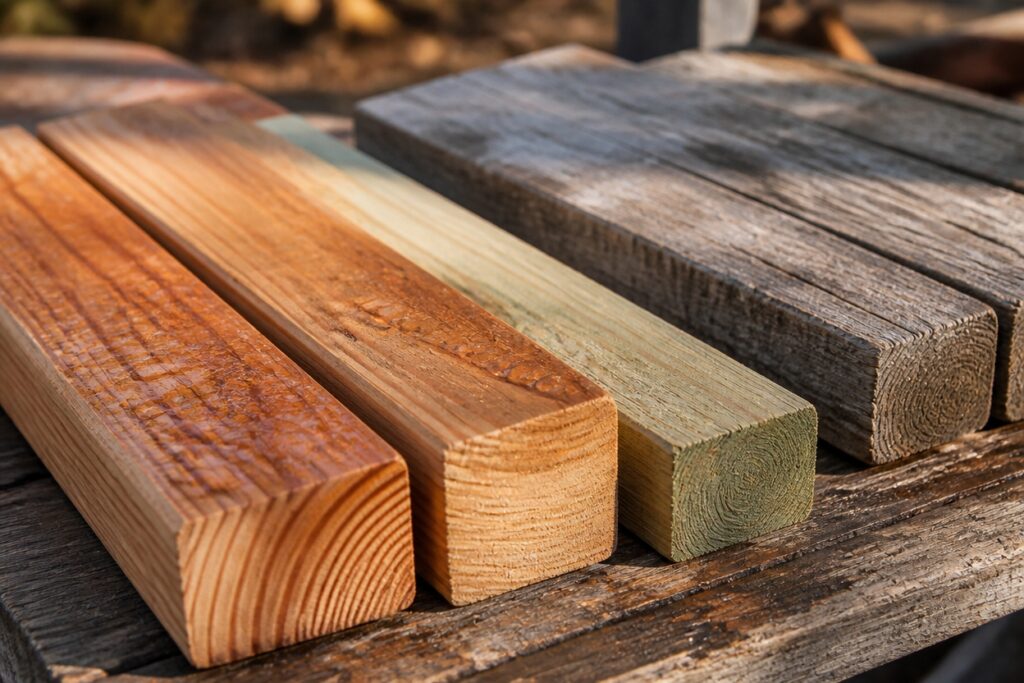
Choosing wood for an outdoor pavilion comes down to three things that matter most. You want something strong, something that can handle the weather, and something that looks beautiful in your space.
Teak and ipe are solid picks if your pavilion will face harsh sun, heavy rain, or bitter cold. They hold up incredibly well and age with quiet grace.
Cedar brings a softer, warmer look to the table without demanding a high price tag. It smells wonderful, too, which is a small pleasure every time you step underneath.
For humid climates, tropical hardwoods like cumaru are worth considering. Their rich color and tight grain make any structure feel a little more special. The local weather where you live should steer your decision just as much as the sample boards in your hand.
Budget matters, and so does the time you are willing to spend on upkeep. Some woods ask for regular oiling and attention.
Others simply gray out and keep standing strong. Think about how you actually want to use your pavilion, and let that guide you toward wood that makes sense for your life.
Best Woods for Outdoor Pavilions Ranked by Durability
Top Choices for Longevity
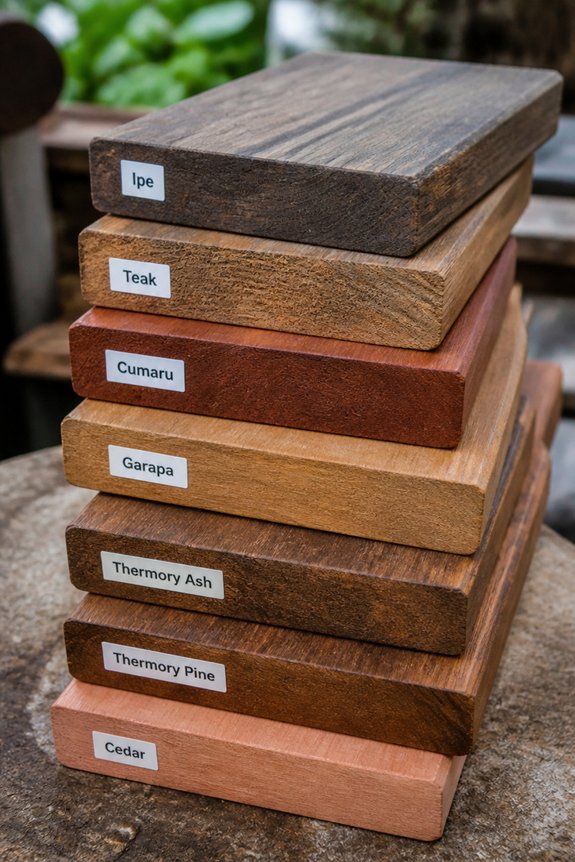
Teak, ipe, and cedar lead the pack. These woods fight rot and insects naturally. Your pavilion will stand strong for decades with any of these three.
Solid Mid-Range Options
Redwood and pressure-treated pine cost less. They still hold up reasonably well outdoors. Expect to replace or repair them sooner than top-tier choices.
Tropical Hardwoods
Cumaru and tigerwood resist decay very effectively. Always check that your supplier sources them sustainably. Responsible harvesting matters for these slow-growing species.
Woods to Avoid
Skip untreated softwoods like spruce. They break down fast outside. Moisture and bugs make quick work of them.
Making Your Final Choice
Your local climate plays a big role. So does your budget and how much upkeep you can handle. Good drainage and finishing treatments help any wood last longer. A little regular maintenance goes a long way too.
Pressure-Treated vs. Hardwood: Which Lasts Longer for Pavilions
Comparing Materials for Your Pavilion
Pressure-treated lumber and natural hardwoods serve different needs in outdoor construction. Treated wood contains preservatives that fight rot and insects. It typically lasts 15 to 20 years with routine care. Natural hardwoods like cedar, redwood, and ipe take a different approach. Their dense grain and natural oils resist decay from within.
Longevity and Performance
Hardwoods outperform treated lumber in lifespan. Cedar and redwood often reach 25 to 40 years. Ipe can last even longer in demanding climates. Pressure-treated wood suits moderate conditions best. Hardwoods handle harsh weather with less complaint.
Costs and Maintenance
Treated lumber wins on upfront price. It needs sealing every few years to stay sound. Hardwoods cost more at purchase. They repay you with decades of service and little fuss.
Making Your Choice
Pick pressure-treated wood when budget drives decisions. Choose hardwoods when you value time and permanence. Match cedar or redwood to gentler climates. Select ipe for coastal or extreme conditions.
Cedar and Redwood for Outdoor Pavilions: Budget-Friendly Beauty
Cedar and redwood stand out for outdoor pavilions. They blend affordability with natural durability and good looks. Both woods contain oils that fight rot, insects, and weather damage. This means less upkeep for you.
Cedar brings a lighter color and fine grain to your project. Redwood offers deeper tones and extra strength. These softwoods cost less than many pressure-treated options. They fit well into tighter budgets.
Plan to seal or stain them every two to three years. This keeps them protected and looking their best. They work best in moderate climates without harsh weather extremes.
Use either wood for beams, posts, and roofing parts. Both handle structural needs with ease.
Teak and Ipe: Premium Tropical Woods Worth the Investment
Why Choose Tropical Hardwoods?
Premium tropical hardwoods like teak and ipe outperform cedar and redwood for outdoor pavilions. Expect to pay more upfront. The trade-off comes in decades of reliable service.
Teak: Timeless and Tough
Teak holds natural oils deep within its grain. These oils fight rot, insects, and weathering with little help from you. A simple wash now and again keeps it healthy. Left alone, it shifts into a soft silver-gray that many homeowners love.
Ipe: Built for Hard Use
Ipe ranks among the densest hardwoods available. That density blocks warping and splitting even in punishing climates. Busy pavilions and harsh weather barely slow it down.
What to Know Before Building
Hardness has its downside. Standard blades and bits struggle with both woods. You’ll need specialty cutting tools and slower feed rates.
The upfront bill stings compared to domestic softwoods. Spread that cost across thirty or forty years though. Add in near-zero maintenance. The math starts looking better for permanent structures.
Best Fits for These Woods
Coastal air, sticky humidity, and heavy foot traffic all scream for teak or ipe. Any setting where failure isn’t an option justifies the premium.
Choose the Right Pavilion Wood for Your Climate and Budget
Climate and budget shape every pavilion project. The right wood depends on where you live and what you can spend.
Tropical hardwoods like teak and ipe resist rot in humid regions. They cost more than pressure-treated pine or cedar. Homeowners in dry climates often pick cedar. It offers a moderate price and natural decay resistance.
Coastal areas need extra protection from salt and moisture. Cedar works well there. Composite alternatives also hold up against harsh seaside conditions.
Pressure-treated lumber fits tighter budgets. It is widely available and treats easily for outdoor use. Premium options make sense for larger investments. They last longer and need less upkeep over time.
Regional availability affects pricing more than many people expect. Local sourcing almost always costs less than importing distant species. Check nearby suppliers first. You might find quality materials without the extra shipping fees.
How Often to Stain, Inspect, and Repair Each Wood Type
How Often to Stain, Inspect, and Repair Each Wood Type
Selecting quality wood solves only part of the pavilion puzzle. Maintenance schedules vary greatly based on wood type and climate conditions.
Pressure-treated lumber requires staining every two to three years. Cedar and redwood need treatment annually.
Hardwoods like teak demand less frequent attention. You can typically stain them every three to four years.
Inspection and Repair Tips
Inspect your pavilion twice each year. Check for rot, cracks, and insect damage during these visits.
Repairs become necessary when structural integrity weakens. Act quickly when decay appears.
Climate Considerations
Northern climates accelerate deterioration rates. These regions require more frequent maintenance cycles.
Southern regions with high moisture exposure need similar attention. Plan earlier intervention schedules in humid areas.
Frequently Asked Questions
Can I Mix Different Wood Types in a Single Pavilion Structure?
Yes, mixing different wood types in a single pavilion structure is feasible. Builders combine woods strategically to optimize durability, aesthetics, and cost-effectiveness. However, careful consideration of compatibility, expansion rates, and maintenance requirements proves essential for structural integrity.
What Is the Environmental Impact of Harvesting Wood for Outdoor Pavilions?
Wood harvesting for pavilions depletes forests, reduces biodiversity, and generates carbon emissions through logging and transportation. Sustainable forestry practices and certified lumber mitigate these impacts, though demand for weather-resistant species like teak strains ecosystems considerably.
How Does Wood Thickness Affect Pavilion Durability and Longevity?
Thicker wood members provide greater structural strength and weather resistance, reducing stress concentrations and allowing deeper wood penetration for protective treatments. This substantially extends pavilion lifespan by minimizing rot, warping, and structural failure risks over decades.
Are There Non-Wood Alternatives That Mimic Natural Wood Appearance?
Like actors donning wooden masks, composite materials and vinyl convincingly replicate timber’s aesthetic. These synthetic alternatives offer wood’s visual warmth while eliminating rot, warping, and maintenance burdens—providing durability without nature’s vulnerabilities.
What Permits or Regulations Apply to Building Outdoor Pavilions in Residential Areas?
Building permits, zoning regulations, and setback requirements vary by jurisdiction. Most residential areas require permits for pavilions exceeding certain square footage. Local building codes mandate structural inspections, electrical safety standards, and property line compliance before construction approval.
Conclusion
Selecting pavilion wood requires weighing durability, climate exposure, and budget constraints. Teak and ipe withstand harsh weather but demand significant investment. Cedar offers moderate decay resistance at lower cost, suitable for dry regions. Tropical hardwoods like cumaru thrive in humidity. Regular maintenance—staining, inspecting, repairing—extends any wood’s lifespan. Matching wood type to local climate and financial resources guarantees a structure that endures decades.