
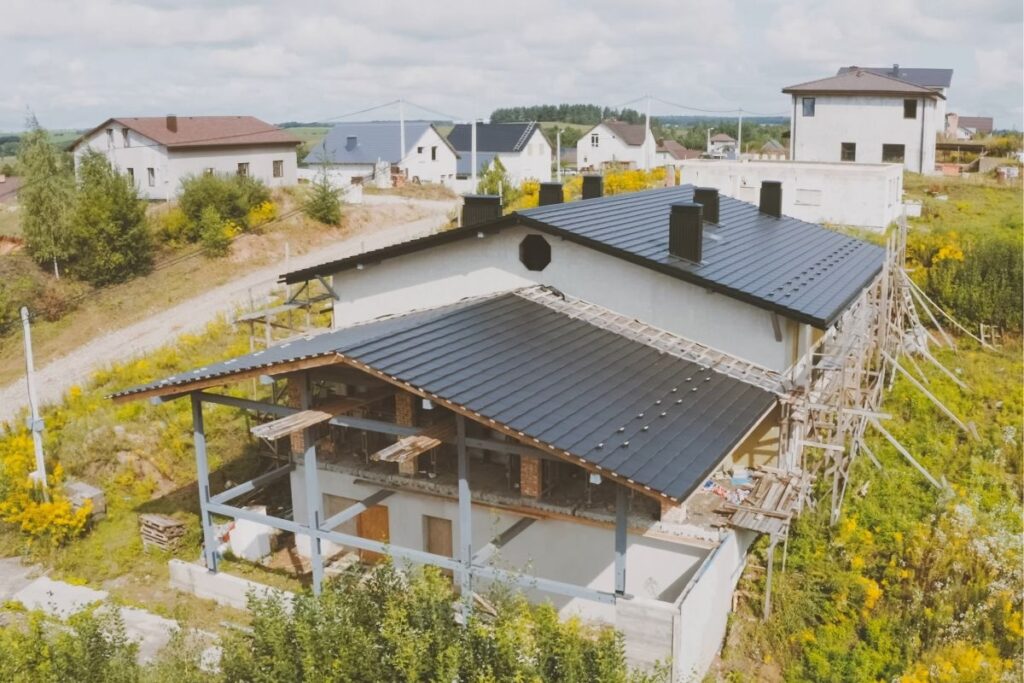
Metal roofing has moved well beyond the agricultural sheds and warehouses it was once associated with. These days it shows up on suburban homes, modern cabins, commercial buildings, and everything in between. Part of that shift comes down to durability, but a lot of it comes down to choice. Metal roofing panels now come in enough types and profiles that there’s usually a reasonable fit for almost any building style or budget.
This guide walks through the main panel types on the market, what the different profiles actually mean, and where each one tends to work best.
Why Metal Roofing Panels Have Become So Common
A metal roof typically lasts two to three times longer than asphalt shingles, often reaching 40 to 70 years depending on the material and how well it’s maintained. That longevity, combined with better resistance to wind, fire, and impact damage, has made metal panels a serious option for homeowners who once would have defaulted to shingles without much thought.
There’s also the matter of energy efficiency. Reflective coatings on many panel finishes reduce heat absorption, which can noticeably lower cooling costs in warmer climates. None of that explains the full picture, though. A lot of the appeal comes down to appearance, since modern panel profiles and finishes have moved metal roofing into territory that looks intentional and architectural rather than purely functional.
Common Types of Metal Roofing Panels
Panel type is usually the first decision in any metal roofing project, since it shapes everything from cost to installation time to how the finished roof will look. Each style handles weather, fasteners, and visibility a little differently, which is why most roofs end up matched to a specific building type rather than chosen at random. The four options below cover the bulk of what’s installed on homes and commercial buildings today.
Standing Seam Panels
Standing seam is probably the most recognizable metal roofing style. The panels run vertically up the roof slope, with raised seams where adjacent panels interlock. The fasteners sit hidden underneath the seam rather than exposed to the weather, which is a major reason these panels hold up so well over time. Water has nowhere to pool, and there’s no exposed screw head for sealant to eventually fail around.
Standing seam tends to be the premium option in the lineup, both in price and in the clean, linear look it gives a roof. It’s a common choice on contemporary homes and commercial buildings where appearance matters as much as performance.
Exposed Fastener Panels
Exposed fastener panels, sometimes called R-panel or corrugated panels depending on the profile, are fixed directly through the face of the panel with screws and washers. This makes them faster and considerably cheaper to install than standing seam systems.
The trade-off is maintenance. Exposed fasteners and their rubber washers degrade faster than a concealed seam, which means periodic checks and occasional re-tightening or replacement over the life of the roof. For budget-conscious projects, agricultural buildings, and outbuildings, this is usually a reasonable compromise.
Corrugated Panels
Corrugated panels use a wave-like profile that adds strength without adding much weight. They’re one of the older, more established panel styles and remain popular for barns, sheds, and industrial buildings, as well as a growing number of residential accent roofs and feature walls where the texture adds visual interest.
Ribbed and Trapezoidal Panels
Ribbed panels sit somewhere between corrugated and standing seam in both appearance and structural performance. The ribs run at intervals across an otherwise flat panel, giving a cleaner look than corrugated while still being more affordable than standing seam. Trapezoidal profiles follow a similar idea with flat-topped ribs, often used on commercial and agricultural buildings where a strong, low-maintenance roof matters more than a high-end finish.
What Panel Profile Actually Means
Profile refers to the shape of the panel when viewed in cross-section, including the height, spacing, and style of the ribs or seams. A taller, more pronounced profile generally adds rigidity and can span longer distances between supports, while a low or flat profile tends to suit shorter spans and a more contemporary look.
Profile also affects how a roof handles water. Deeper ribs channel runoff more efficiently on low-slope roofs, which is part of why agricultural and commercial buildings often favor taller profiles even when appearance isn’t the main concern.
Material Choices Behind the Panels
Panel profile shapes how a roof performs, but the metal underneath it determines how long that performance actually lasts. Steel, aluminum, copper, and zinc all weather differently, cost differently, and suit different climates and budgets. Getting this choice right matters just as much as picking the right profile.
Steel
Galvanized or Galvalume steel is the most common material for metal roofing panels, offering a strong balance of cost, strength, and longevity. Most steel panels come with a baked-on paint finish that holds color well for decades with minimal fading.
Aluminum
Aluminum panels weigh less than steel and resist corrosion naturally, which makes them a strong choice for coastal properties exposed to salt air. They cost more than steel but tend to need less long-term maintenance in harsh environments.
Copper and Zinc
Copper and zinc panels sit at the premium end of the market, prized for their distinctive patina as they age and their exceptionally long lifespan, often exceeding a century with proper installation. These materials show up most often on architectural projects where the roof itself is meant to be a visible design feature.
Matching Panels with the Right Trim and Siding
A metal roof rarely works in isolation. Flashing, ridge caps, and trim pieces need to match the panel profile precisely to keep water out at every joint and transition, and the fasteners holding everything together need to be rated for the specific gauge and coating of the metal involved.
This becomes even more relevant on projects that pair a metal roof with matching metal siding panels, since the two systems typically share the same trim profiles and fastener requirements. Sourcing roofing and siding hardware together, including the right trim and screws for each panel type, tends to simplify the build and reduce the risk of mismatched components down the line. PBS Direct’s metal siding panels and trim screw collection is a useful reference point for seeing how these components are typically specified together.
Use Cases by Building Type
Residential homes generally lean toward standing seam or ribbed panels, where appearance and longevity carry more weight than upfront cost. Agricultural and industrial buildings tend to favor exposed fastener and corrugated panels, where speed of installation and price per square foot matter more than a refined finish. Commercial buildings often land somewhere in between, using standing seam on visible facades and more economical profiles on lower-visibility sections of the roof.
Accent applications, such as a single feature wall or a small porch roof, are where corrugated and ribbed panels often appear on otherwise traditional homes, adding contrast and texture without committing the whole roof to a metal system.
Choosing the Right Panel for a Project
Climate, budget, and the building’s intended lifespan all play into the decision. A coastal property generally benefits from aluminum or a high-quality coated steel, while a budget-driven agricultural build is usually better served by exposed fastener steel panels. For a residential roof meant to last as long as the house itself, standing seam remains the most consistently reliable option, even with its higher upfront cost.
Conclusion
Metal roofing has earned its reputation through decades of performance, but the range of panel types and profiles now available means the decision involves more than just durability. Matching the right panel type, profile, and material to the building, and pairing it with correctly specified trim and fasteners, makes the difference between a roof that performs well for a decade and one that performs well for a lifetime.