
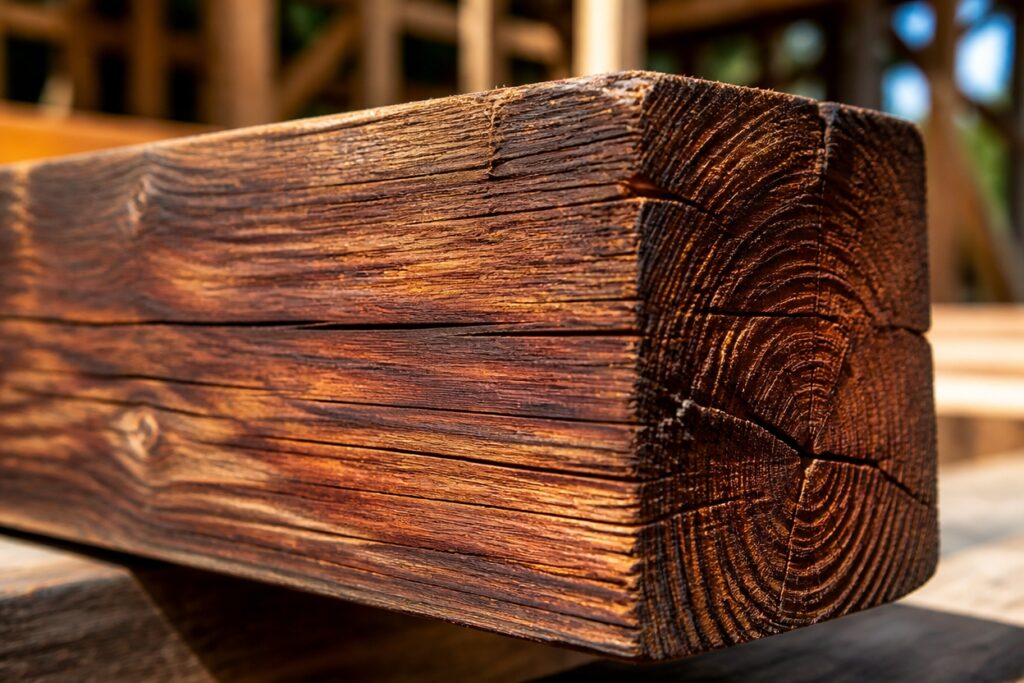
Douglas fir brings a quiet confidence to outdoor builds. It is strong enough for decks and pergolas, yet gentler on the budget than cedar. For homeowners weighing practicality against cost, it offers a thoughtful middle ground.
The wood handles heavy loads well and asks only for moderate upkeep. Still, it is not immune to weather. How it performs depends heavily on drainage, moisture levels, and the climate it faces.
Before committing, take time to understand your specific site. A shaded, damp corner will challenge the material differently than a sun drenched, breezy patio.
Matching the wood to its setting is what makes a project last.
Climate Conditions That Determine If Douglas Fir Works for You
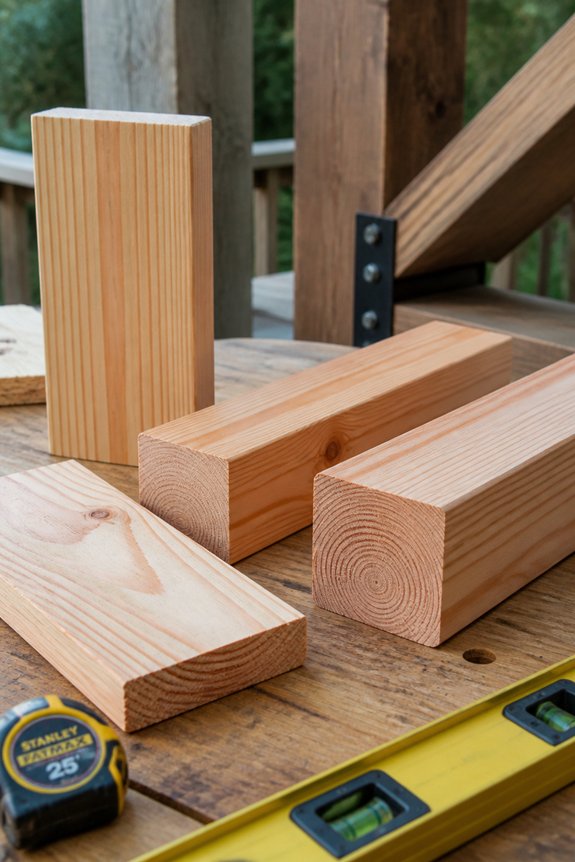
Douglas fir performs differently depending on where you live. Local climate matters before choosing this wood for outdoor projects.
Where Douglas Fir Thrives****
Cool, moist climates suit it best. The Pacific Northwest offers ideal conditions. Rainfall and steady temperatures slow natural decay. Your wood lasts longer here with minimal fuss.
Challenges in Dry Regions****
Arid areas cause uneven drying. Checking and warping become common problems. The wood loses moisture too quickly. You may need extra sealing to protect it.
Hot and Humid Concerns
Warm, wet climates speed up rot. Insects target the wood more aggressively. Plan for protective treatments and regular inspections. Maintenance demands increase significantly.
Coastal and Cold Considerations
Salt spray near oceans wears down the surface faster. Freeze-thaw cycles in cold areas create internal cracks. Both situations require diligent upkeep.
Making Your Decision
Look at your local temperature swings. Check typical moisture levels and rainfall patterns. Consider how seasons change throughout the year. These factors reveal if Douglas fir matches your outdoor project needs.
Why Builders Choose Douglas Fir Over Cedar and Pressure-Treated Pine
Built to Last Without Breaking the Budget
Douglas fir is a smart pick for outdoor projects. It costs less than cedar but matches it in strength. You get solid performance without the premium price tag.
It also holds up better than pressure-treated pine. Warping and splitting are less of a headache. Your deck or fence stays straighter and sturdier over the years.
A Natural Choice for Safer Spaces****
Cedar looks beautiful, but it demands regular upkeep. Staining and sealing become a constant chore. Douglas fir needs far less fuss to stay in good shape.
Pressure-treated pine comes with another concern. The chemical treatments make some builders nervous around kids and food gardens. Douglas fir avoids that worry entirely.
It resists rot naturally, so no added chemicals are needed. That makes it ideal for pergolas, play structures, and raised beds. You save money upfront and cut down on repairs later.
How Much Weight Can Douglas Fir Support?
Why Douglas Fir Handles Heavy Loads
Douglas fir stands out for outdoor building projects. Its dense grain structure helps it carry weight without bending too much.
Builders often choose this wood for beams, posts, and joists. Decks and pergolas benefit from its solid performance.
What Affects Load Capacity
Several factors determine how much weight Douglas fir can hold. Wood grade matters, as does moisture content. Span length also plays a key role.
A standard 2×10 beam typically supports several hundred pounds per linear foot. Always check load tables and local building codes for your specific project.
Keeping It Strong
Proper installation helps maintain the wood’s natural strength. Regular maintenance extends its working life even further.
Does Douglas Fir Resist Rot Naturally?
Understanding Douglas Fir‘s Natural Defenses
Douglas fir offers moderate protection against rot. This comes from its heartwood. Natural compounds in the heartwood slow fungal growth. But this defense is weaker than cedar or redwood.
The sapwood tells a different story. This lighter outer wood lacks strong protection. It breaks down quickly when dampness sets in.
Protecting Your Outdoor Projects
Moisture is the main enemy. Ground contact accelerates decay. Poor drainage creates ideal conditions for rot. Even brief exposure to standing water causes problems.
Sealing the wood helps significantly. Good ventilation prevents trapped humidity. Regular maintenance catches issues early. These steps extend the life of decks, fences, and posts.
Inspection should happen yearly at minimum. Reapply protective treatments as needed. Small repairs now prevent big replacements later.
How to Treat Douglas Fir So It Lasts Decades
Start with the Right Treatment****
Treating Douglas fir before installation builds a foundation for lasting durability. Wood preservatives like copper-based treatments penetrate the surface. They stop fungal decay and insect damage before they start.
Maintain the Finish
Homeowners should reapply sealers or stains every two to three years. This protects against moisture absorption and UV damage. Regular upkeep keeps the wood looking good and performing well.
Choose Your Lumber Wisely
Heartwood resists rot better than sapwood. Selecting appropriate lumber grades makes a real difference in longevity. Ask your supplier about the grade options available.
Design for Drainage and Airflow
Proper drainage design prevents water from pooling. Adequate ventilation lets the wood breathe. Together with regular maintenance, these steps extend the wood’s lifespan considerably.
Select the Right Finish
Paint or semi-transparent finishes protect the wood. They still allow moisture to escape when needed. This balance keeps Douglas fir stable through changing seasons.
Handle Ground Contact Carefully
Ground contact requires extra precautions. Use concrete barriers or consider pressure-treated lumber alternatives. These steps ensure structures remain serviceable for decades.
Your Year-Round Maintenance Checklist
Year-Round Maintenance Checklist
Douglas fir lasts for decades with proper care. A simple seasonal routine keeps it strong and looking its best.
Start each spring by checking for winter damage. Look for mold, loose fasteners, or any boards that shifted during cold months. Catching problems early saves work later.
Summer heat brings pollen and debris. Wash surfaces regularly to remove buildup and prevent algae from taking hold. Clean wood stays healthier longer.
Fall prep matters most. Clear gutters before the rains arrive. Check sealants around joints and posts. Fill small cracks now before they grow.
Winter calls for vigilance. Monitor drainage when heavy rains or snowmelt hits. Standing water weakens even well-built structures.
Reapply protective stains or sealers every two to three years. Timing depends on sun exposure and wear. Consistent care prevents expensive repairs down the road.
Three Problems Douglas Fir Develops (and How to Prevent Them)
Douglas fir structures hold up well, but they still develop three common issues. These include wood rot, checking and splitting, and fastener corrosion. Each problem has a clear cause and a simple fix.
Wood Rot
Moisture is the enemy here. When water seeps into deck boards or fence posts, decay begins. The solution starts with proper drainage. Slope surfaces away from standing water. Apply sealant every few years to keep moisture out. These small steps protect your investment.
Checking and Splitting
Wood naturally expands and contracts with the seasons. This movement creates cracks over time. Protective finishes slow this process significantly. They flex with the wood and block excess moisture. Reapply finishes before they wear thin.
Fastener Corrosion
Metal hardware reacts with Douglas fir, especially near salt air. Stainless steel or galvanized fasteners resist this damage. They cost more upfront but prevent rust stains and structural failure. Skip the cheap hardware store specials here.
Catch Problems Early
Walk your structures twice a year. Look for soft spots, widening cracks, or rust bleeding. Fix small issues before they grow. Regular attention adds years to any Douglas fir project.
Is Douglas Fir Right for Your Project?
Budget Considerations
Douglas fir costs more than pine or spruce. Think about your budget before making a choice.
Climate Matters
This wood thrives in moderate, dry regions. Wet environments call for cedar or redwood instead. These alternatives resist rot much better.
Project Fit
Decks, pergolas, and beams suit Douglas fir perfectly. Skip it for coastal projects or ground contact use. Intense moisture exposure requires different materials.
Upkeep Requirements
Regular treatment keeps Douglas fir in good shape. Make sure you have time and resources for proper care. With the right installation and maintenance, it offers real strength and lasting durability.
Comparing Total Costs: Douglas Fir vs. Hardwoods and Alternatives
Initial Material Costs
Douglas fir typically costs less upfront than hardwoods. Expect to pay $0.50 to $1.50 per board foot. Pressure-treated alternatives fall in a similar range. This makes Douglas fir attractive for budget-conscious projects.
Comparing Alternatives
Composite materials run $1.00 to $3.00 per board foot. They require minimal maintenance over time. Hardwoods like cedar or oak demand higher initial investment at $2.00 to $5.00 per board foot. However, they resist decay naturally.
Long-Term Value
Over fifteen years, Douglas fir’s lower initial cost often balances higher maintenance expenses. Your choice depends on available budget and expected lifespan. Consider how much maintenance you can handle. Each material offers different trade-offs between upfront spending and ongoing care.
Maintenance Habits That Add Years to Your Deck or Fence
Small habits make a big difference for Douglas fir decks and fences. Regular upkeep can add five to ten years of usable life. A little effort goes a long way.
Keep It Clean
Annual cleaning clears away debris, moss, and algae. These hold moisture against the wood. A simple wash keeps problems from starting.
Seal and Protect
Apply sealant or stain every two to three years. This blocks UV damage and stops water from soaking in. The wood stays stronger and looks better.
Check for Trouble
Inspect boards, fasteners, and posts each year. Catch rot, splits, or looseness early. Quick fixes now prevent big repairs later.
Control the Environment
Make sure water drains away from your deck or fence. Trim back bushes and branches nearby. Less humidity means less wear on the wood.
These steps preserve both strength and appearance. Your deck or fence can stay solid and attractive for decades.
Frequently Asked Questions
Can Douglas Fir Be Used for Interior Applications, or Is It Only for Outdoor Structures?
Douglas fir serves both interior and outdoor applications. It functions well for flooring, wall paneling, cabinetry, and structural framing indoors. Its strength, appearance, and workability make it versatile for interior design projects.
What Is the Environmental Impact of Harvesting Douglas Fir for Construction Projects?
Douglas fir harvesting impacts depend on forestry practices. Sustainable management minimizes environmental damage through selective logging and reforestation. However, old-growth removal and habitat disruption remain concerns without certified responsible sourcing protocols.
How Does Douglas Fir’s Appearance Change Over Time When Left Untreated Outdoors?
Untreated Douglas fir gracefully develops a distinguished silvery patina when exposed to the elements. The wood undergoes a natural weathering process, shifting from its original warm reddish-brown tone to increasingly muted gray hues over several years.
Are There Specific Fastener Types Recommended to Prevent Corrosion With Douglas Fir?
Stainless steel, hot-dipped galvanized, and aluminum fasteners resist corrosion effectively with Douglas fir. Brass and copper options also prevent rust. Regular inspection guarantees fastener integrity in outdoor applications.
Can Douglas Fir Be Stained or Painted, and What Products Work Best?
Douglas fir accepts stain and paint well. Exterior-grade acrylic latex paints and semi-transparent oil-based stains perform best. Proper surface preparation, including sanding and priming, guarantees peak adhesion and longevity of finishes.
Conclusion
Douglas fir serves as a practical foundation for outdoor structures, balancing strength and affordability. Its performance depends on climate conditions, maintenance routines, and project specifics. Builders consistently select it for decks, pergolas, and beams where load capacity matters. Success requires sealing, drainage management, and regular inspections. Like timber before it, Douglas fir endures when properly treated, making it a reliable choice for homeowners prioritizing durability and cost-effectiveness.